
500 NEWS
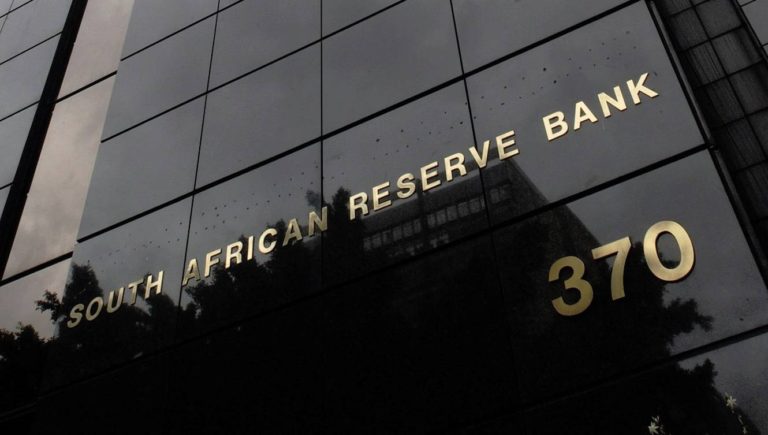
In 2016 alone, the South African Reserve Bank (SARB) processed payments to the value of R140-trillion – 30 times the gross domestic product (GDP) of South Africa. Significant change has occurred in the financial services space recently, attracting much interest in these innovations. The Deputy Governor of the SARB responsible for financial stability shares his views
|
 The exterior of the South African Reserve Bank in Pretoria, South Africa, Wednesday, March 23, 2005. Photographer: Naashon Zalk/Bloomberg News MANY SOUTH AFRICANS ARE AWARE THAT THE SARB PRINTS MONEY, BUT NOT MANY KNOW ABOUT THE NATIONAL PAYMENT SYSTEM. WHAT IS THE SARB’S ROLE IN THE SYSTEM AND HOW IS IT LINKED TO ITS MANDATE TO PROTECT THE VALUE OF THE CURRENCY? The SARB is responsible for establishing, conducting, monitoring, regulating, and supervising all the payment, clearing, and settlement systems in South Africa. It executes this mandate through its National Payment System Department (NPSD). NPSD is the owner and operator of South Africa’s real-time gross settlement system, better known as the South African Multiple Option Settlement (SAMOS) system. SAMOS allows all interbank transactions to be settled in central-bank money and ensures that all interbank payments become final and irrevocable; it concludes economic transactions between parties, thus ensuring that legal certainty is achieved. South Africa’s national payment system is made up of various payment streams within the large-value payment systems and the more familiar retail payment systems. These payment streams include cheques, cards, and electronic fund transfers such as Internet payments and debit orders. The SARB plays an important role in ensuring that the payments financial market infrastructure remains efficient and safe, thus supporting the SARB’s role in maintaining financial stability and ensuring the public’s confidence in the financial system. TECHNOLOGY IS DISRUPTING LIFE AS WE KNOW IT ON A DAILY BASIS. HOW IS THE SARB, IN ITS MULTIPLE ROLES IN THE FINANCIAL SECTOR, ENSURING THAT THE BANKING SYSTEM IS CYBER-SECURE? The SARB addresses cybersecurity through the microprudential supervision of banks, the macroprudential regulation of the financial system, and oversight of the financial market infrastructure. The SARB is responsible for the regulation and supervision of banks in South Africa. One of its functions is promoting the soundness of the banking system and contributing to financial stability. An Information Technology (IT) Risk Division was established in 2012 with the primary responsibility of looking at IT risks for the banking industry. While conducting on-site visits to banks, this division has addressed various IT governance topics, including information security and cybersecurity. In 2013, the SARB assessed mobile-devices and Internet-banking fraud in the South African banking industry. No significant findings were made, other than the need for a more collaborative approach between the banks and other industry players, including critical infrastructure providers. Also in 2013, a short IT survey was issued to the industry, touching on some aspects of information security. In 2015, a more substantive survey was issued, covering both information security and enterprise architecture management. Neither survey highlighted any material weaknesses, although the need to be constantly aware of new modi operandi in the cybersecurity space was emphasised. Cybersecurity was subsequently added as a topic for discussion with banks’ boards of directors. From a regulatory perspective, the SARB applies international principles, such as those in the Basel frameworks, to the South African context. In 2016, the Committee on Payments and Market Infrastructures as well as the International Organization of Securities Commissions, issued cyber-resilience guidance for financial market infrastructures. The SARB issued these guidelines as a guidance note to the banking industry. Maintaining payment security is required of all entities that store, process, or transmit cardholder data. In terms of retail payment systems, the SARB, through the Payments Association of South Africa, requires all banks, system operators, and certain merchants who store, process or transmit card information to adhere to the Payment Card Industry Data Security Standards. Cross-functional working groups within the SARB are currently considering how to make the financial system more cyber-secure. This includes looking at regulation, incident reporting, and responding to incidents. The SARB also collaborates with role players such as the South African Banking Risk Information Centre on their cybersecurity initiatives, and engages with financial industry computer security incident response teams. As part of its responsibility to protect and enhance financial stability, the SARB also manages cyber-risk through the Financial Sector Contingency Forum (FSCF), which has become a statutory body in terms of the newly enacted Financial Sector Regulation (FSR). The FSCF comprises key financial sector decision-makers, including the SARB, National Treasury, other financial-sector regulators, financial market infrastructures, and financial industry associations. The FSCF was established to help coordinate the process of financial sector contingency planning and crisis management. In terms of the FSR Act, the forum’s objectives include the identification of potential threats to the stability of the South African financial system as well as the development and coordination of appropriate plans, mechanisms, and structures to mitigate these threats. Excerpt from an article published in the 9the dition of Top 500: South Africa’s Best Managed Companies. |


After a period of prolonged volatility, the world economy appears to be entering a more stable phase – that’s if the opinion of 1 300 CEOs surveyed by PwC is anything to go by. |
As reported by Fortune, PwC’s Davos-released survey results showed that 57% of CEOs predicted improved growth for the global economy this year; nearly double the percentage from the same time So what does this mean for the South African outlook? In the wake of SONA 2018, which finally took place on 16 February, and Cyril Ramaphosa’s taking up the reigns of the Presidency, ratings agencies like Moody’s and Fitch are cautiously upbeat; the South African currency is trading skittish jabs at the US dollar (advance, retreat, repeat) and both business and consumer confidence are up. The Goldman Sachs pronouncement on South Africa being the next boom economy has probably sent out the biggest ripples of all. Here’s Goldman Sachs MD (sub-Saharan Africa) and Top 500 Awards VIP Speaker Colin Coleman, on the “new dawn”: https://tinyurl.com/y7x7tqvj. Analysts are interested in the parallels between South Africa and other nations predicted to surge in the next five years. Among these are Ethiopia; Uzbekistan; Nepal; India; Laos; Cambodia and the Philippines (World Bank: Global Economic Prospects). Like South Africa, they are all emerging economies with little to stunt their growth bar high levels of public debt. Last year’s big success story was, of course, Brazil – with whom South Africa has a host of similarities. Both countries have colonial and post-colonial trajectories, multi-ethnic demographic patterns, advanced constitutions and a plethora of natural resources. Crucially, both are also transitioning from a time of constant allegations of corruption in government, into an era of renewed hope and optimism on the back of a new, cleaner slate. Politics left to the politicians (with our fervent hopes that they’ll Do The Right Thing), Top 500 Companies & its media partners will be sure to grill the leaders of South Africa’s top 10 companies on their own personal opinions, when the Top 500 Awards takes to the stage on 10 May and the ‘Best Managed’ organisations are named in a host of industry sectors – retail, finance, basic industries and more. Collectively, their outlook and their investment decisions will be powerful factors for the year ahead. In Chinese astrology, 2018 is the Year of the Dog. Let’s just hope it’s a greyhound rather than a dachshund. Gareth Pike |
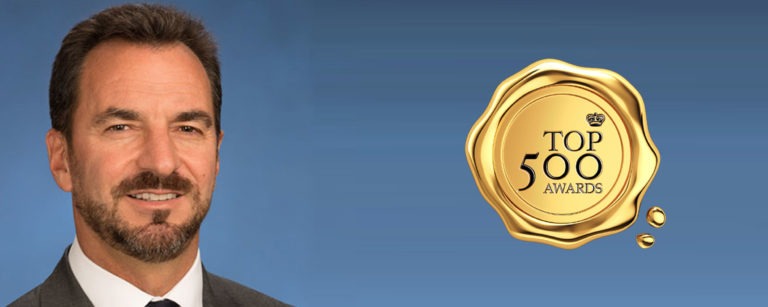
MD of Goldman Sachs, Colin Coleman speaking at the Top500 Awards |
The 2018 Top 500 Awards has a new date, confirmed to be 10 May 2018. The venue remains Inanda Club, Johannesburg. The postponement, from the original date of 10 May 2018, stems from sustained political uncertainly around the postponement of SONA 2018. This prompted the Directors and strategic partners of the Top 500 platform to shift the date out, to align with the advent and entrenchment of a more settled political and economic backdrop.
Colin Coleman, MD and Partner of Goldman Sachs, is confirmed as a VIP Guest Speaker at the Awards, where he will unpack Goldman Sachs’ position on South Africa being the “big emerging market story” of 2018, especially given the possibility of declining interest rates and a strengthening rand”(as published through Fin24.com).
In light of the very latest political developments – this week – South Africa has experienced widespread positive sentiment, as illustrated by the Forex index strengthening against the Dollar and Euro markets.
For any information regarding the Top 500 Awards, please contact Kyle on 086 000 9590 or at kyle.lacey@topco.co.za.
|
|

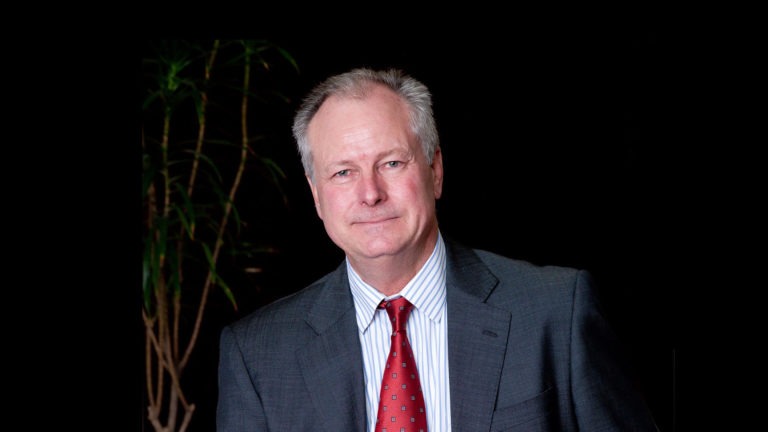
JG Afrika is a South African consulting engineering and environmental consulting firm with a strong commitment to both transformation and sustainability, around its mandate to provide the highest quality of consulting engineering services. Established in 1922, the firm is headquartered in Johannesburg, with offices around South Africa and in Botswana, Mozambique and Lesotho (all ISO 9001:2015 certified). It provides consulting services in all fields of civil and structural engineering, as well as environmental services, throughout Africa. Apart from the main operating company, the Group comprises specialist companies operating in the fields of geotechnical, environmental and geosciences consultancy, pavement technology, traffic and transportation, materials testing, and institutional support. The firm has a complement of some 300 staff led by the vision of MD Paul Olivier and Board Members Seetella Makhetha, Phaks Ngqumshe, Ms Jan Norris, Ms Martha Makhetha, Harold Tiganis and Ms Nomsa Mkaza. |
Constantly engineering accolades JG Afrika, a member of Consulting Engineers South Africa (CESA) and affiliated to FIDIC and GAMA, is of course one of South Africa’s 500 verified Best Managed Companies – see the Top 500 profile page and watch a brief video on the firm’s 95 years, here. Yet it has been building on its nine-plus decades of renown in a number of other ways this year:
“Today, JG Afrika is an authentically diverse company and our brand reflects this”, says Olivier. “Our corporate identity also mirrors our African heritage. It shows that we are looking to the future and aligning our name with our diverse expertise, our modern approach and the significant future Africa offers as a growing continent.” |
|

For more information, visit www.jgi.co.za. |

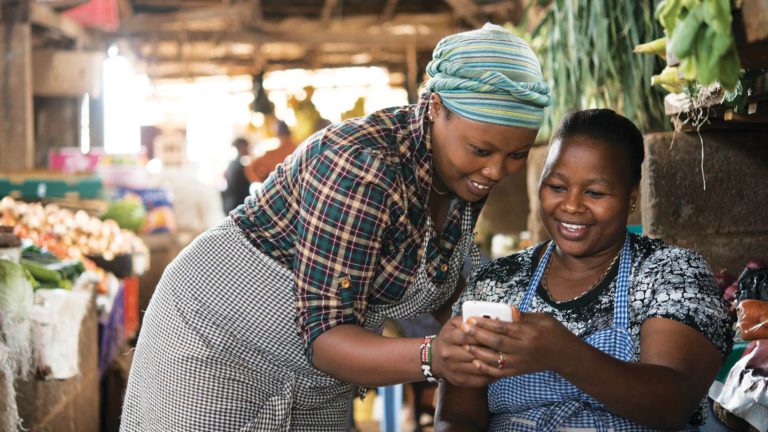
Over the past decade sub-Saharan Africa has become one of the fastest growing regions in the world, showing a significant uptake from the past 60 years when development was still very much varied and sporadic. Though the growth in the region is mainly due to primary exports such as unprocessed agricultural and forest products, minerals and fossil fuels, structural transformation still remains subdued. Foreign investment in the region is increasing, there’s a boom in innovation, despite challenges like poverty, poor infrastructure and climate change. Big on mobileAccording to new data gathered from a study conducted by the GSMA – a trade body that represents the interests of mobile operators worldwide – sub-Saharan Africa accounts for more than 50% of the 227 mobile money deployments globally, with the number of live mobile money schemes reaching approximately 140 across 39 countries. The evolution of mobile moneyThe use of mobile money has evolved in recent years. From person-to-person payments and topping up airtime, to paying bills and sending money abroad. Known as ‘ecosystem payments’, they account for approximately 17% of all mobile money transactions, and has quadrupled between 2014 and 2016. |
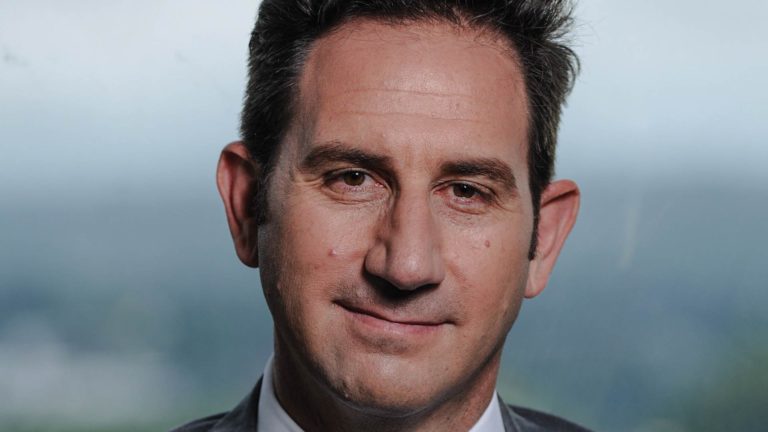
The focus on small improvements in energy efficiency, client service, as well as the design and architecture of new restaurants is helping global restaurant chain McDonald’s South Africa to grow organically, says CEO, Greg Solomon – a man who has transformed the business through his coach-like leadership style. Quick-fire Q&A with Greg SolomonQ: Your biggest wish for South Africa? |

In today’s disease-ridden cyberspace, companies in Africa are falling victim to malware infection, and ransomware attacks are becoming more frequent on the continent because users don’t employ adequate protection and neglect key security steps that could save them. Ransomware on the rise35% – The increase in global ransomware prevalence from last year, according to the Norton by Symantec 2016 ISTR report. |

The whisky industry is more dynamic now than ever. We look at the trends in the industry. Whisky trends in 2017/2018Whisky attracting a youthful crowd |

Africa is set to become the next mega-infrastructure giant of the world. But many challenges still hinder its development, despite being rich in resources and home to some of the world’s fastest growing economies. Top 5 mega-infrastructure projects in AfricaWest African Rail Network |

In February 2017 the Department of Environmental Affairs reported a 10.3% reduction in rhino poaching for 2016, compared with statistics from 2015. Though there as been a decline, the stats are still dire: 1 054 rhinos were killed in 2016 in South Africa alone – meaning approximately three rhinos were killed daily. Since January 2017, 529 rhino have been poached. And, according to Save the Rhino, poachers are moving beyond South African boarders, into other African countries who don’t necessarily have the resources to effectively protect wildlife. We interview Grant Bodley, CEO of Dimension Data for the Middle East and Africa, about ‘connected conservation’ and how the use of sophisticated technology helps combat the incursion of poachers and proactively prevent the killing of not only rhino, but other animal species too. |
It was 11:00 on a Friday when we made our way to the Nando’s Central Kitchen in Lorentzville. Not native Jo’burgers, we questioned the accuracy of Google maps as it led us through a myriad of twists and turns. Rounding a corner, we saw the recognisable red and black of the Nando’s brand and very audibly breathed a sigh of relief – we were indeed at the right place. |

By Lorenzo Fioramonti Mainstreaming cryptocurrenciesAs I explain in my book, Wellbeing Economy: Success in a World Without Growth, our money systems are undergoing an unprecedented transition from centralised authority (as represented by the ‘fiat’ money minted by states) to peer-to-peer networks managed in decentralised fashion. This is not a peripheral phenomenon: it is fast replacing most financial processes. Take Bitcoin as an example. Invented by a mysterious coder in 2009, it has quickly become the most valuable currency in the world, presently worth almost three times as much as an ounce of gold. A student buying the equivalent of 100 dollars in BitCoin in 2012, when I started my lectures, would now possess roughly 32 000 dollars. Those who invested 1 dollar in BitCoin at its inception would now own over 300 000 dollars. No other form of investment in the history of mankind has ever generated so much value in such a short period. |